
Smart Tailings Storage Facilities: The safety standard for the Centinela expansion
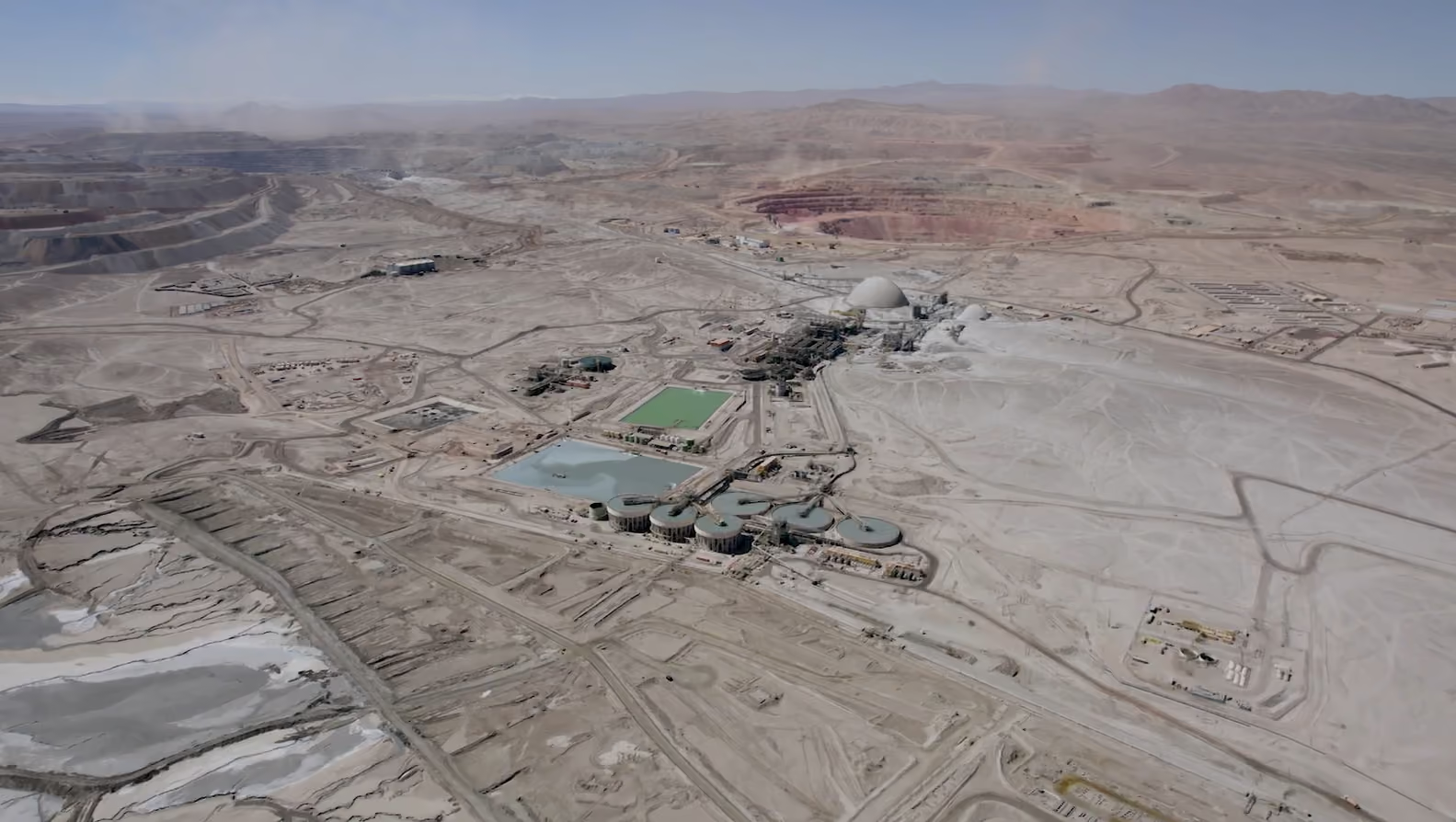
The monumental expansion of Minera Centinela—which aims to extend the mine's lifespan by three decades—brings with it the construction of infrastructure of historic proportions. One of the most critical and large-scale assets in this process is the new tailings dam.
Due to the immense volumes these deposits reach today and the serious consequences a failure would entail, legislation in Chile is extremely rigorous, requiring online and continuous monitoring of these structures. To meet and exceed these requirements, the operation has implemented the highest technological standards in the industry, giving way to what we at Geosinergia define as "Smart Tailings Deposits".
What makes a tailings deposit "smart"?
During the interview, Rodrigo Vivencio (Director of Operations) explained that this system is based on a concept very similar to that of "smart cities" (Smart Cities). In practice, this means that the sensors installed in the field are the ones that autonomously evaluate and report the "structural health" of the deposit in real time.
To achieve this total control, monitoring focuses on three fundamental variables:
- Geometry and deformation: In-place inclinometers in-place inclinometers installed in deep boreholes are used to measure angles and any deviation. This allows us to understand how the tailings body behaves under the weight of the deposited material itself.
- The water factor: This is a critical element for stability. Pore pressures and water table levels are constantly measured.
- Seismic behavior: Ground accelerations are recorded to evaluate the structure's response to tremors or earthquakes.
Early warning systems and IoT technology in the field
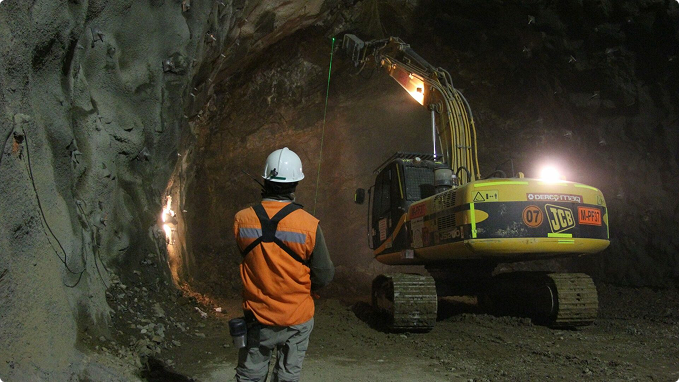
The operation and maintenance of this complex instrumentation network are managed by Geosinergia. Roberto Yugar, Operations Manager for the Centinela contract, explains that the work is concentrated on critical points such as the main north wall and the secondary south wall, as well as infiltration controls (drains and ponds) located downstream.
In these walls, the accelerometers play a vital role. Installed at both the crest (the top) and the base, they allow for the comparison of deformations. But their function goes far beyond simply recording data: they operate as an early warning system. If an accelerometer detects that the permitted movement threshold has been exceeded, it automatically "wakes up" and issues an immediate radio alert to the teams in the field.
All this data acquisition operates under the Internet of Things (IoT)concept, using modern LoRaradio communication systems. This architecture allows data to be automated at the sensor level and transmitted wirelessly, making it available even on engineers' mobile phones.
T4G: The integrating brain
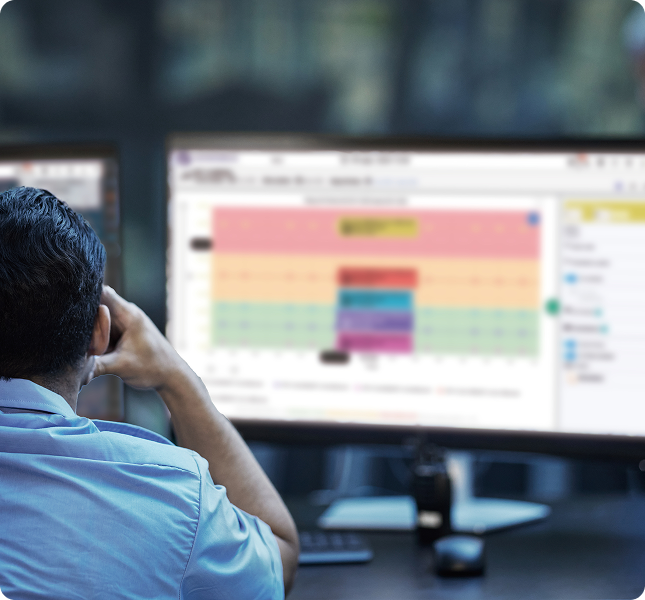
Having thousands of data points per second is useless if they cannot be interpreted. This is where the T4G integration softwarecomes in. This platform receives all information from the instruments (inclinometers, piezometers, accelerometers) and allows operators to view the status of the tailings simply and on a single screen.
Thanks to this online integration, if readings exceed defined thresholds, immediate operational actions can be taken, such as changing tailings deposition sectors or even initiating preventive evacuations if the situation warrants it. Furthermore, this same network architecture allows data to be made transparently available to regulatory authorities.
Check out this clip from the interview to learn more about this topic!👇
For all the details on this chapter, don't miss the full episode here:



Belo Horizonte, Minas Gerais

